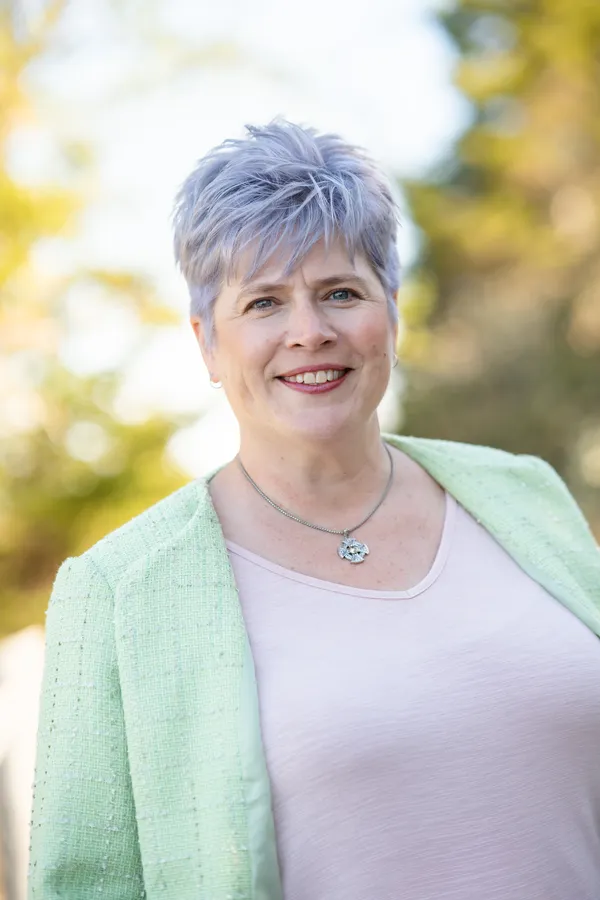
I’m Trish McCourt. I Help Non-Profits manage change and build strategic systems.
Does This Sound Familiar?
You’re leading a nonprofit — or sitting on its Board — and something isn’t working. Maybe you’re facing a leadership transition you didn’t see coming. Maybe you’ve been in the ED role for a few months and you’re already inheriting problems that predate you. Maybe your Board is staring down a vacancy and doesn’t feel prepared to address it in a way that will actually stick. Or maybe there’s no immediate crisis at all — you’re thinking ahead, preparing for an eventual vacancy whether that’s a planned retirement, an ED moving on to a new opportunity, or simply the reality that unexpected leaves happen and you’d rather have a plan than scramble.
Whatever brought you here, the presenting situation is rarely the whole story. Leadership transitions are often symptoms of something structural — a Board/ED relationship that was never quite right, a governance model inherited rather than chosen, a gap between the values the organization espouses and how it actually operates when things get hard. That gap is what I work on. Not just the immediate transition, but what’s underneath it — and what needs to be built so the next person who sits in that chair has a fighting chance.
How I Can Support You
Leadership transition is one of the most common reasons organizations come to me — but it’s not the only one. I also work with organizations on strategic planning, governance, operations and digital transformation, and organizational scanning, among other things. If you’re not sure whether what you’re facing is something I can help with, the best place to start is a conversation.
I work with nonprofit organizations at several different entry points. Across all of these, my role is the same: I’m a catalyst and thought partner, not an expert with predetermined answers. I bring process knowledge, organizational experience, and a willingness to ask the uncomfortable questions — but the organization leads. That’s not a platitude. It’s the foundation of how I work.
• New or incoming Executive Directors — navigating your first 90 days, making sense of what you’ve inherited, and building the foundation for sustainable leadership • Boards facing a leadership gap — supporting you to address the transition thoughtfully and sustainably — not just fill the vacancy • Proactive succession planning — building the systems, relationships, and governance structures that mean a leadership transition doesn’t have to be a crisis
• Fractional Interim ED services — stepping into the ED role on a part-time consulting basis during a gap or transition, providing experienced leadership while you search for or prepare for your next permanent hire. This can include organizational scanning, building operational systems and documentation, and succession planning — so the organization is stronger when the permanent ED arrives than when I did
The Question That Drives This Work
Everything I do comes back to one question:
“Are the people, communities, or organizations being served the ones determining what they need — and is the work structured to follow that lead?”
This question applies to the organizations I work with — are the communities you serve actually shaping your work? — and to how I work with you. Are you determining what you need, or are you being told what you need by someone who arrived with the answer already written?
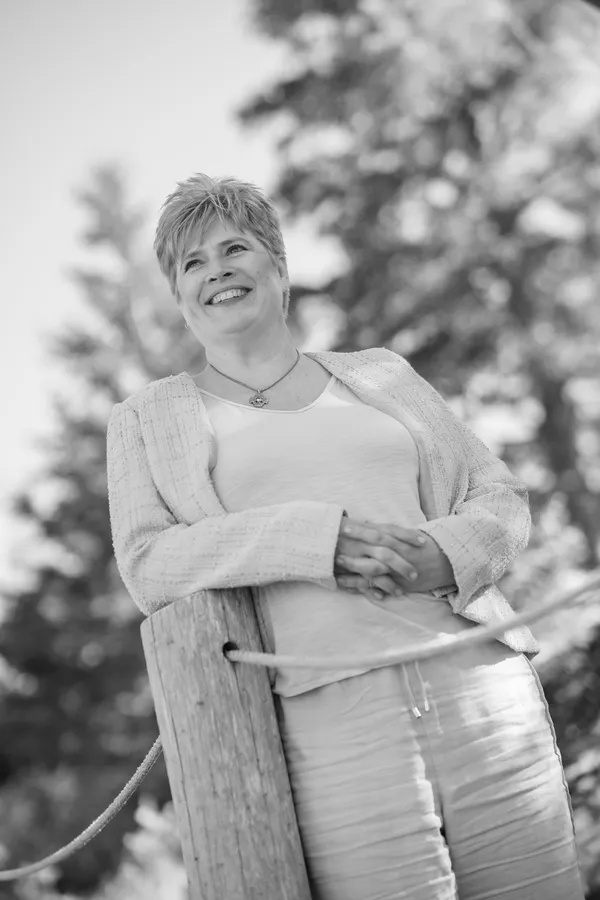
Photo Credit: Adam Bissonette
I believe deeply in the power of community-based organizations to create lasting change. I’m here to help you build the systems & capacity you need to work more effectively. With over eight years of non-profit leadership experience -from implementing digital systems to facilitating strategic planning – I bring practical expertise to help you achieve better outcomes without burning out your teams. I look forward to working with you to strengthen your organization’s impact.
What I believe
My work is filtered through five core values. They shape how I show up, what I’m willing to do, and what I’m not.
Communities don’t need organizations to have the answers for them. They need organizations that will make sure their knowledge and experience shapes the answers. This means community voice isn’t a step in the process — it’s the foundation of it. The people closest to an issue hold the most immediate and grounded knowledge of it. Lived and living experience is not a nice-to-have. It is the foundation of genuine community determination.
Shared leadership isn’t just a values statement — it’s what makes organizations sustainable. When power and decision-making concentrate in one person, the organization becomes fragile. I’ve watched it happen: the loss of one person unraveling years of crucial work. That’s not a people problem. It’s a structural one. I support organizations in building toward cooperative leadership structures where decisions are made intentionally, accountability is shared, and the table reflects the community the organization exists to serve.
Self-reflection gets crowded out when one person is carrying most of the leadership work. But without it, you keep moving without stopping to ask whether you’re moving in the right direction. The cost is quieter than failure — programs that weren’t as effective as they could have been, communities you intended to reach but never did. Reflection and accountability need to be built into the structure of the work, not left to good intentions.
Relationship and trust come before everything else — not as a strategy for better outcomes, but as a value in itself. Relationship happens in the unstructured moments more than the structured ones. When community members are asked to bring their lived and living experience into organizational work, that ask lands differently depending on the relationship underneath it. Without trust, it’s extraction. With trust, it becomes something genuinely reciprocal.
The Board/ED relationship is one of the most consistently mishandled dynamics in the nonprofit sector — and one of the most consequential. I’ve lived it from both sides. The problem isn’t the people. It’s the structures we’ve inherited and rarely question. What I work toward with organizations is a cooperative, mutually accountable relationship between Board and staff leadership — where roles are clear, trust is built intentionally, and the ED isn’t the only one carrying the weight.
Who I am
I am a white settler woman living and working in Miʼkmaʼki, the ancestral and unceded territory of the Miʼkmaq People. I am a Registered Social Worker (RSW) with over 15 years of nonprofit executive leadership experience primarily in Nova Scotia, including senior roles in governance, digital transformation, policy analysis, and equity-centered strategic planning.
I hold privileges based on my race, education, and professional background — and I work to ensure those privileges don’t center my voice over those with lived and living experience of the issues we’re working on. My work is grounded in an intersectional analysis: understanding that colonialism, patriarchy, racism, ableism, classism, and other systems of oppression are interconnected, and that they shape who holds power and whose knowledge gets centered.
I model these values in how I run my own practice. I work a schedule that honors caregiving and life responsibilities. I prioritize relationship over efficiency. I show up as a catalyst and thought partner — not as someone with predetermined answers.
Communities hold the knowledge. The work is building organizations that honor it.
If any of this resonates — whether you’re navigating a transition right now or just starting to ask the uncomfortable questions — I’d like to hear from you.